Japanese Food Business Promotion
new!
Rediscovering Delicious Japanese Food~Developing New Japanese Menus~
Nov.18th. to Dec.4th‚ 2025
Hiroshi NAKAMURA‚ Course Leader
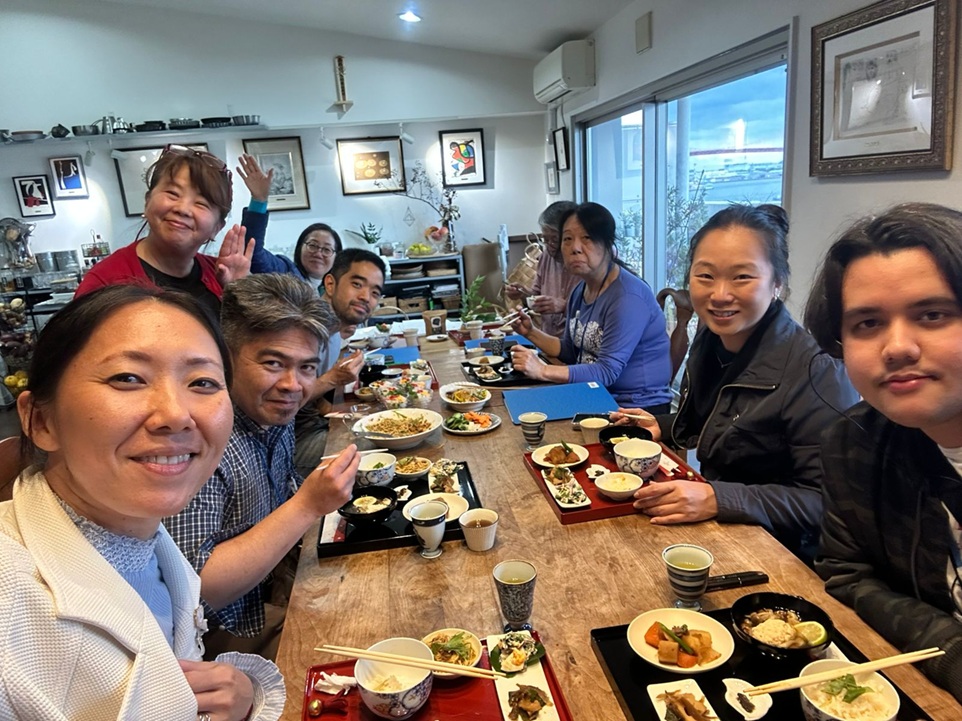
Practical Cooking at MASUMOTO Cookery Class
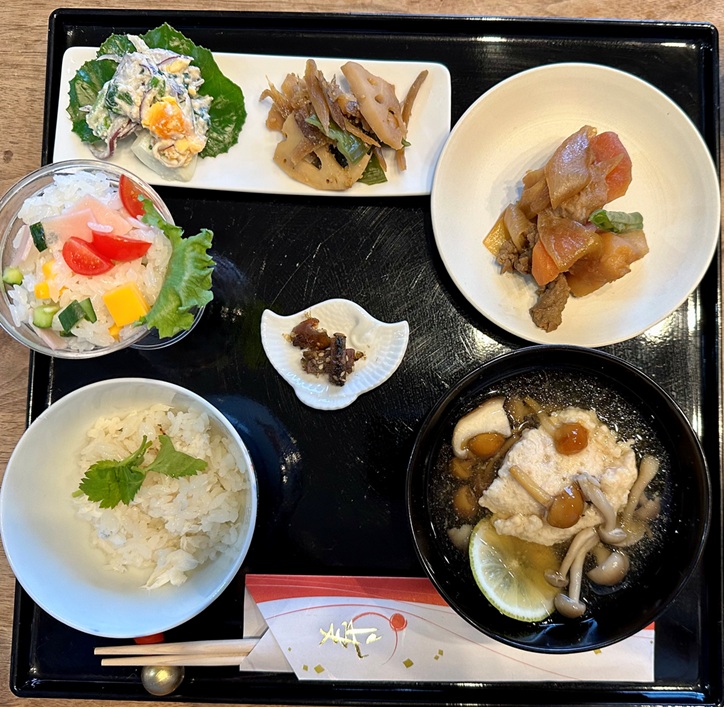
Practical Cooking
Six trainees of Japanese descent took this course: two from Brazil‚ one from Bolivia‚ one from Colombia‚ one from Paraguay‚ and one from the Dominican Republic. They were mainly Japanese restaurant owners or manufacturers of ingredients such as miso‚ but there was also an employee of a video production company that participated for the first time. This course started six years ago‚ and was originally given in Japanese‚ but since people of third-generation Japanese descent do not understand Japanese‚ the training is now done in Spanish or Portuguese. Short conversations in the cookery and practical training could be supplemented by actually showing things‚ so the content could be understood with just the help of a Spanish interpreter‚ but the trainees could not fully understand the lectures without proper reference materials in Spanish or Portuguese. I prepared machine-translated texts in those languages but there were limits to their accuracy‚ which made things rather difficult.
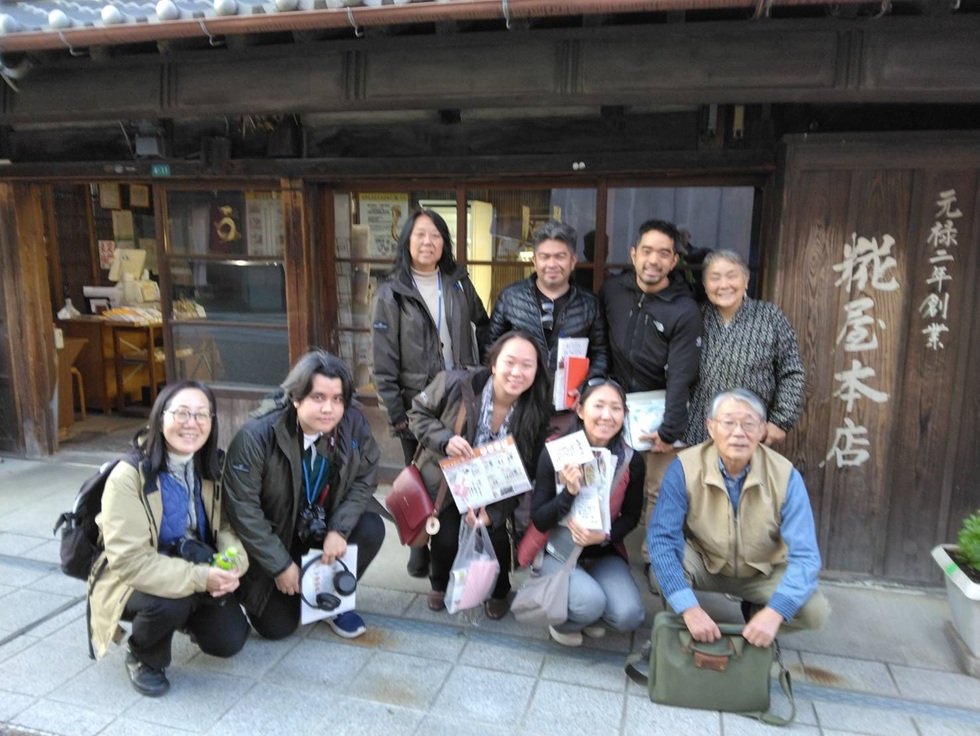
Visit to KOJIYA HONTEN
The course included as much cookery and practical training as possible. In the cookery classes‚ the trainees learned how to make dishes such as chirashi-sushi‚ sea bream steam-boiled in an earthenware teapot‚ and stock. They also learned about the origins of koji (malted rice)‚ made dishes using koji‚ and tried their hands at making a Japanese lunch box that included sushi rolls and salmon. At Kojiya Honten they learned the 3:2:1 golden ratio that enables even the instructor’s grandchild to make tamagoyaki (3 eggs‚ 2 spoonfuls of salted koji‚ 1 spoonful of sugar). Our coordinator and I learned the ratio as well and put it to practical use at home.
All the trainees also experienced the lengthy process of making soba noodles. One of them was heard to say‚ ““I’d never thought soba was delicious‚ but this soba is the best I’ve ever eaten.” After the workshop‚ they all purchased dried soba to take back to their homelands as souvenirs.
The trainees were also able to experience many valuable field trips‚ including a visit to a large-scale miso factory‚ a hands-on workshop making miso‚ a tour of a sake brewery‚ a matcha experience‚ and an introduction to many soy sauce products.
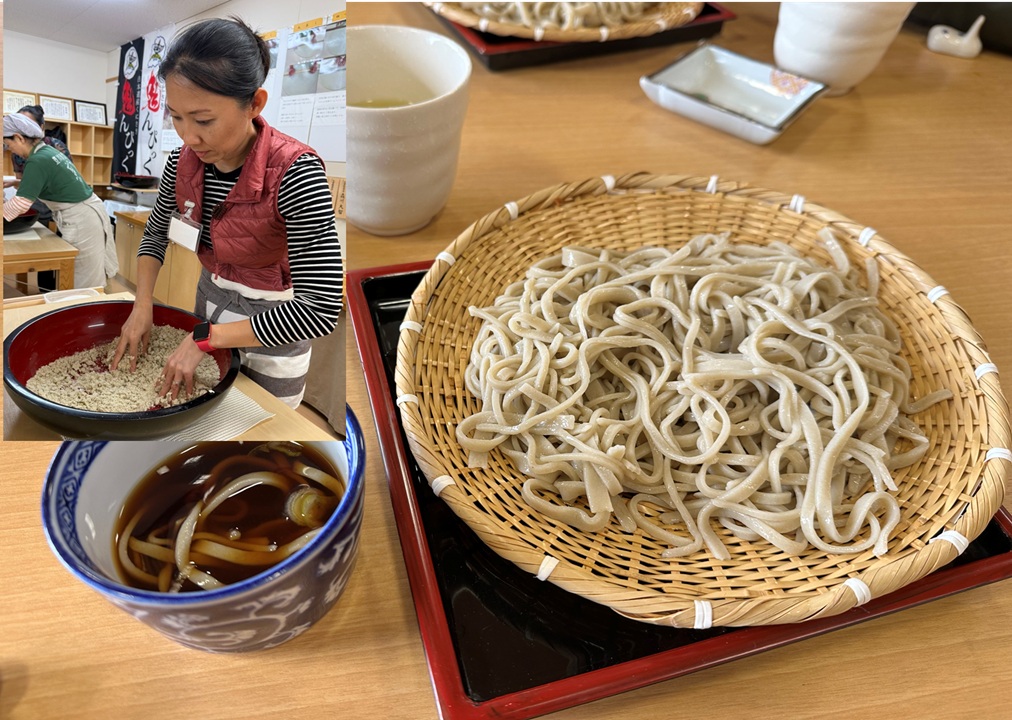
Practical Training for Soba Noodles
Particularly detailed planning went into where the trainees would eat lunch. A plan was prepared on the assumption that many trainees would request Japanese food upon their arrival in Japan. As expected‚ the requests were “Japanese food‚ Japanese food‚ Japanese food...” Accordingly‚ I arranged for them to eat at Saiki Road Station Maru‚ Karato Fish Market‚ and Munakata Seafood Lunch. At Seafood Lunch‚ comments from the trainees included‚ “It was great to enjoy the sashimi prepared from live squid twice‚ once as sashimi and once as tempura‚” and “I did feel sorry for the squid but it tasted delicious.” The trainees were also very impressed by the combination of the “main dish‚ side dish‚ chawanmushi (Japanese egg custard)‚ and miso soup” arranged on a tray for each tempura lunch set.
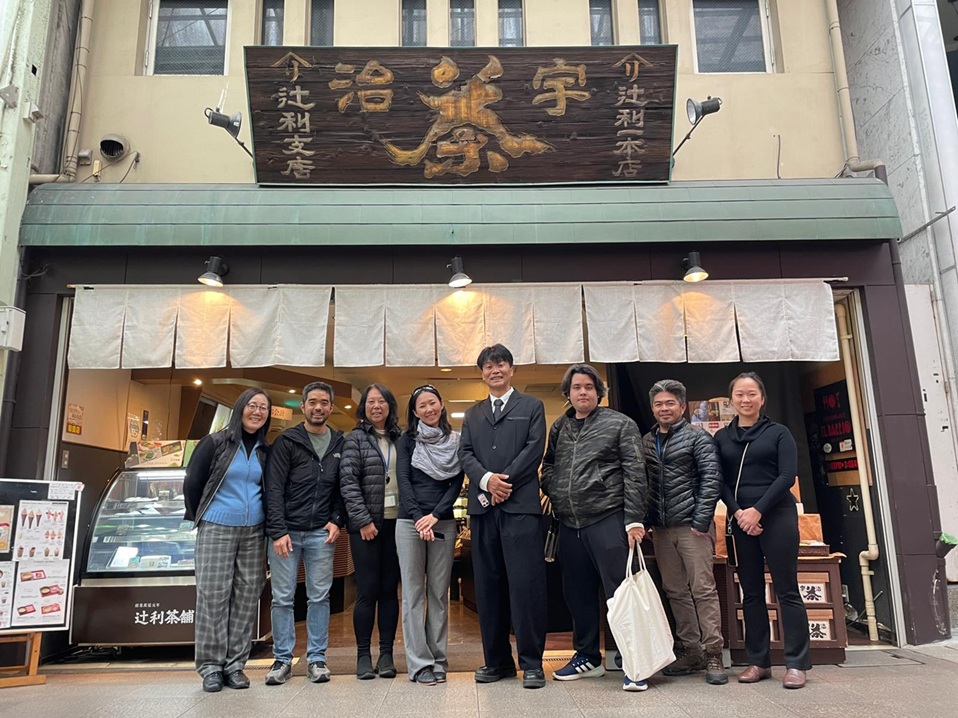
Visit to Japanese Tea Company TSUJIRI
Apparently Korean and other Asian food is becoming increasingly popular in Central and South America‚ but Japanese food is not experiencing such a boom. It seems that most of the cooks and other staff at Japanese restaurants have never eaten genuine Japanese food and have no experience of it.
The trainees seem to have been able to rediscover delicious Japanese cuisine through this training course. Through the practical cookery classes‚ they were also able to acquire knowledge of how to use koji and how to make many kinds of stock. After returning to their homelands‚ I hope the trainees will develop reasonably priced Japanese-style menus suited to their locality‚ using ingredients which are available there and which their compatriots like‚ and establish a new "tradition of Japanese cuisine." I would like them to challenge themselves to create new Japanese dishes by incorporating what they learned on this course.



